

Moalboal requires every snorkeler entering the water off Panagsama Beach to wear a life vest and go with a registered local guide, and shore sardine-run snorkeling can be suspended when the Philippine Coast Guard deems sea conditions unsafe.
Book the day tour from Cebu City, which includes a life jacket and snorkeling gear, so the guide requirement and flotation rule are covered before you leave your hotel; if the sea is rough on arrival, stay calm and check whether shore access has reopened before swimming out.
Getting from Cebu City to the Moalboal sardine run
no boat needed, swim from shore
Panagsama Beach lies about 90 kilometres south of Cebu City, and a day trip crosses it twice: roughly 180 kilometres of driving, seven to eight hours on the road.
People who have done it still call the swim worth the effort. The return drive is the part that wears you out, stretching to four or five hours as traffic builds north.
Three ways cross the island. A private car covers the coastal route in about three hours without traffic. The Ceres bus from Cebu South Bus Terminal takes two and a half to four hours, then hands you to a tricycle for the last stretch.
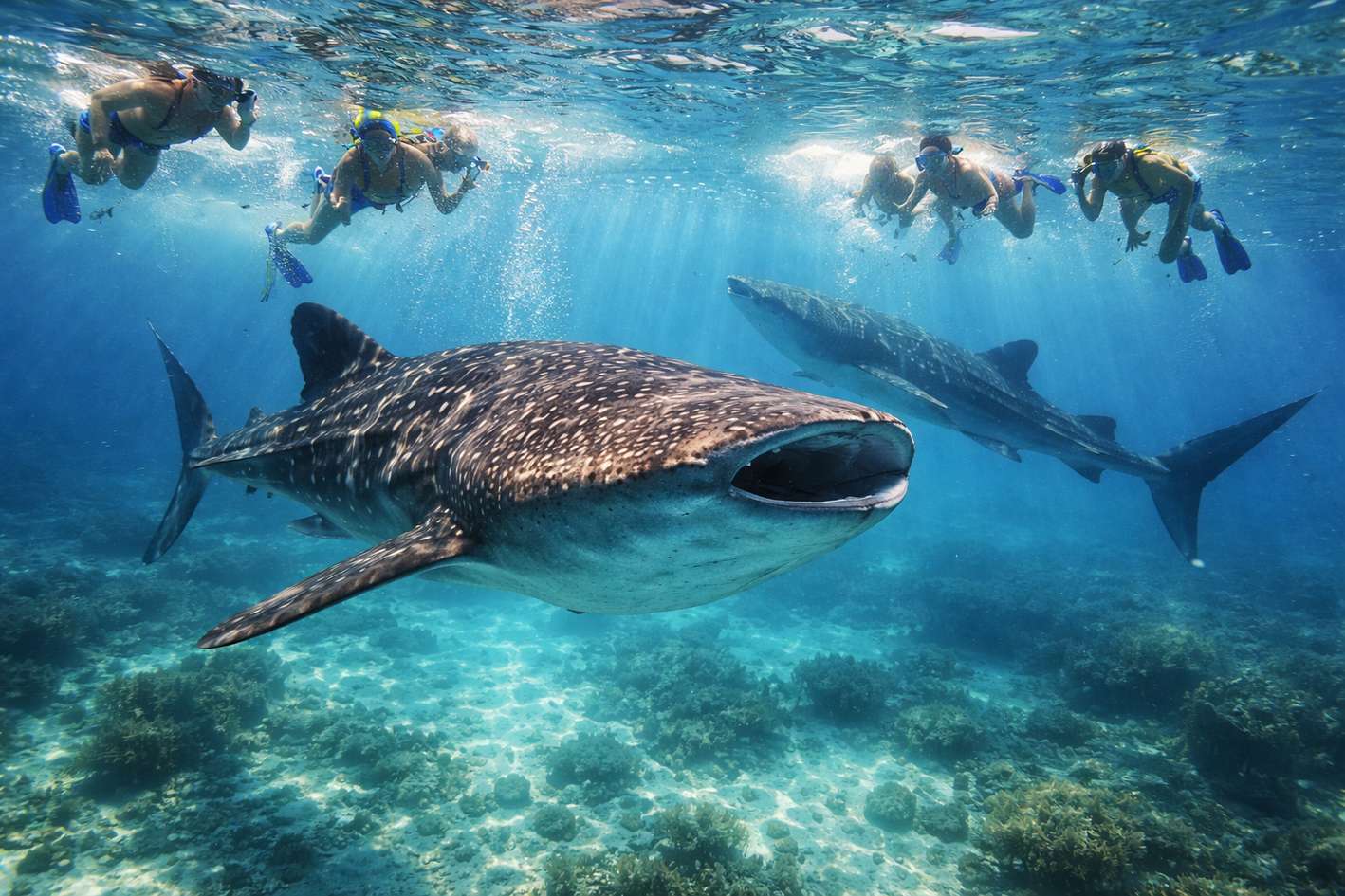
The tour closest to this trip is Cebu: Oslob Whale Sharks, Waterfalls & Moalboal Sardines, which runs the full southern Cebu circuit with the sardine swim built in.
The routes differ less in drive time than in how much you manage yourself. The bus asks for a terminal queue and one transfer in Moalboal.
The car asks for a driver who has slept. The tour asks only that you be in the hotel lobby, in swimwear, at an hour most of the city never sees.
Round-trip hotel pickup from Cebu City hotels
The decision you face half-asleep is how to leave. The combo tour removes it: Cebu: Oslob Whale Sharks, Waterfalls & Moalboal Sardines collects you at your hotel lobby and drops you back there the same evening, so no taxi negotiation and no bus terminal at four in the morning.
One check before you book. The shared option covers Cebu City, Mactan and Lapu-Lapu only, and the shared pickup runs between 2:00 and 3 am, earlier than most tours on the route.
If you stay outside those zones, the private option lists the wider set of areas, and it also picks up in Moalboal, Badian and Oslob, which matters if you are ending your stay elsewhere.
The driver details arrive by email the day before, which means the only thing left to decide at pickup time is which pocket the room key goes in.
Seeing the sardines and getting back to Cebu the same day
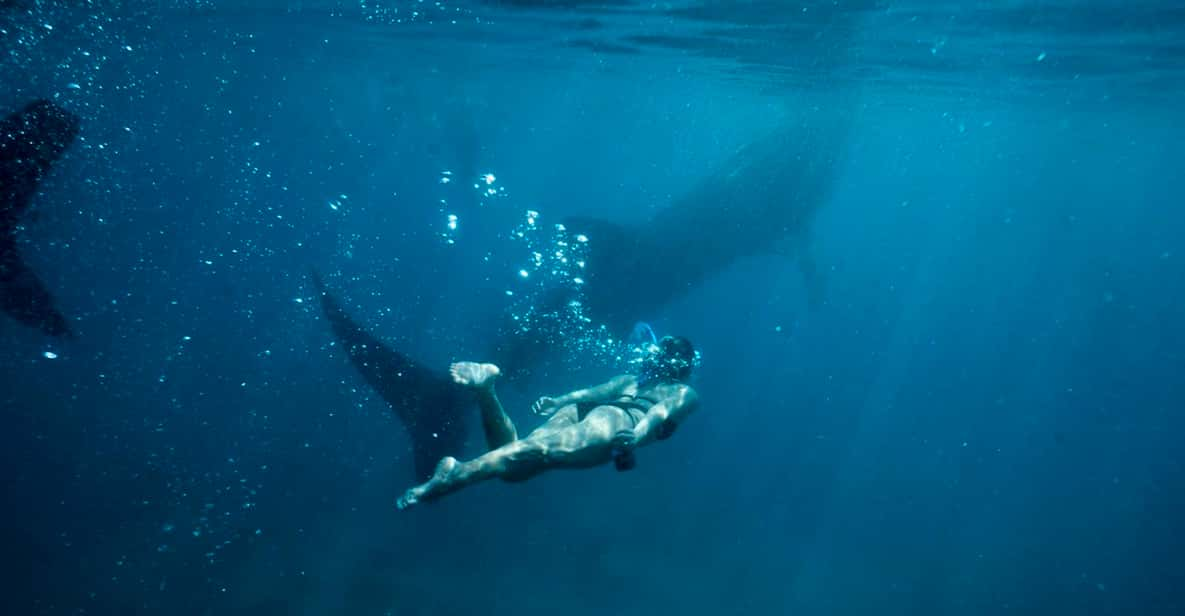
No overnight bag. That is the first thing to know about the shape of the day. Pickup in the dark, the drive south, then about 45 minutes to an hour in the water with the bait ball and the turtles, lunch along Panagsama, and the run back north.
On a dedicated trip, hotels see you again around 4:30 to 5:30 pm; door to door, the day totals seven to twelve hours depending on traffic and stops.
Early morning pickup and drive south toward Moalboal.
Snorkeling offshore with the sardine bait ball at Panagsama Beach.
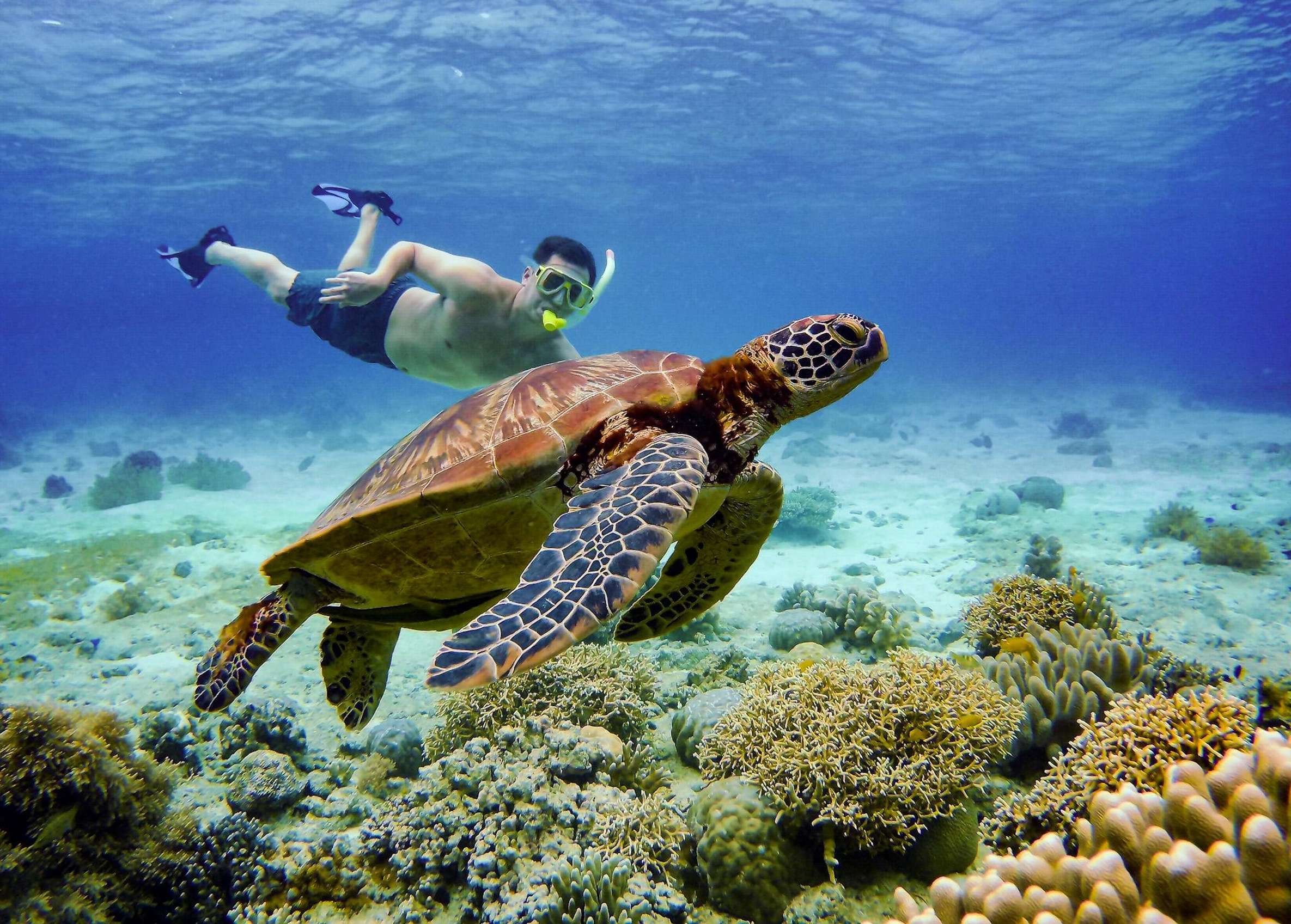
Snorkeling along the shallow house reef to view sea turtles.
Lunch break at a restaurant along Panagsama Beach.
Return drive north with drop-off at Cebu City hotels.
The schedule holds because the vehicle leaves Moalboal in the early afternoon, before the return congestion thickens. Travelers on combo tours report being back between 4:00 and 6 pm.
Going it alone shifts the risk to the last hour of the day. The final reliable wave of direct air-conditioned Ceres coaches leaves Moalboal between 4:00 and 6 pm.
Miss that window and you are negotiating a late departure or an unplanned night in town, which is exactly the scenario the reader with a 6 am flight is trying to avoid. A tour's van waits for its own passengers; a public timetable does not.
Beating metro Cebu traffic with an early departure
The highway south is a clock you can read. Traffic along Natalio Bacalso Avenue and the southern choke points in Talisay and Minglanilla peaks between 6:00 and 9 am, adding thirty to sixty minutes to the drive.
Leave before 5 am and the drive to Moalboal shrinks to roughly two to two and a half hours instead of the three to four that rush hour charges.
Route notes put the rush window slightly differently: the coastal highway figure runs 6:00 to 9 am, while another set of driving notes reads 7:00 to 9:30 am.
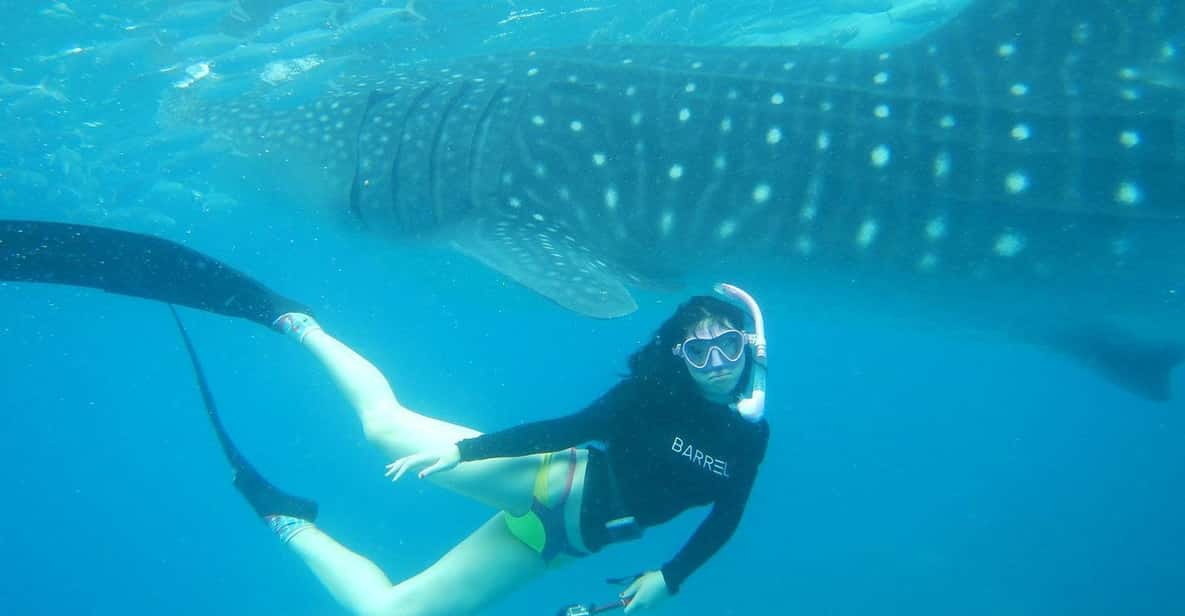
Either way, leaving before 5 am clears both, and a 5:00 to 6 am departure, no later than 7:00, puts you at Panagsama Beach between 7:30 and 9:00, when underwater visibility is at its best and the tour boats have not gathered.
The morning figures read two ways. The calm-water window at the beach runs 6:00 to 9 am; a before-5 am departure lands you in the tail of it.
The dedicated same-day schedule that reaches town around 9 gets you in the water from about 9:30, still ahead of the afternoon chop. Late afternoon works as a quieter backup, but the early hours are the stronger choice.
The combo tour's pre-dawn pickup looks brutal on paper and is exactly what buys you both the empty highway and the calm water. Drive yourself and the discipline is yours to enforce: out the door by six at the latest.
Door-to-door or DIY - the transfers to Panagsama Beach
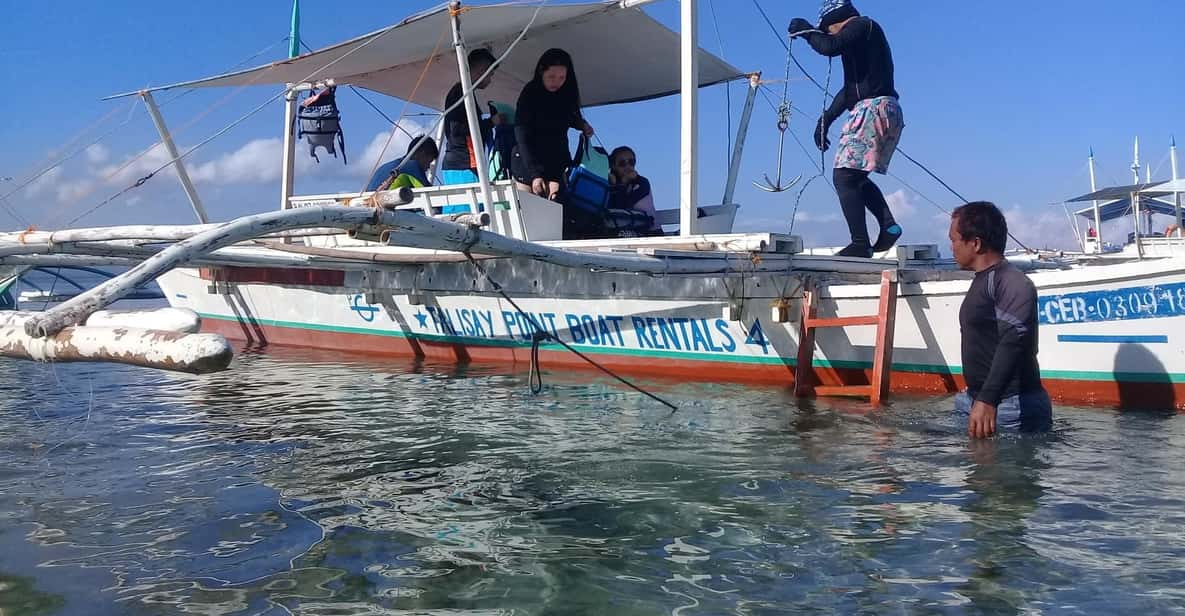
The last three kilometres decide how the day feels, because the bus does not reach the beach. From the highway stop, by the Jollibee across from the municipal hall, Panagsama Beach sits about three kilometres downhill, a ten-to-fifteen-minute tricycle or habal-habal ride.
A guided tour or private van takes the friction out entirely, dropping you at the beachfront with no extra haggling.
Private hires come in two sizes: a car or AUV for one to four passengers, a van for five to twelve, so a group of four or more usually fits one vehicle and splits the ride.
Going by bus means two consecutive legs, a bus marked Bato via Barili from the South Bus Terminal, then the local ride from the market area.
If you stay in Moalboal instead of day-tripping, most Panagsama resorts will collect you from the highway stop if you message your arrival time. For a same-day trip from the city, that last transfer is the cheapest part of the day to buy your way out of.
Taking the Ceres bus from Cebu South bus terminal
The bus is the honest budget option and it works, with conditions. Buses to Moalboal leave Cebu South Bus Terminal roughly every 30 minutes from early morning into the evening.
Ride time runs two and a half to four hours; Ceres publishes no timetable, and the non-aircon coaches go when they fill. Board one leaving before 7 am to see the sardines in the best light.
On board, the aircon coaches have luggage bays underneath and overhead racks for small bags, though some seats near the driver are tight on legroom. The open-window buses are described as pleasant once moving.
The harder question is what else the bus day can hold. Sardines and Kawasan Falls in one day by bus is possible but the schedule is tight, and canyoneering leaves almost no room for a missed connection.
Oslob sits on the opposite coast, about three to three and a half hours from Moalboal by bus with a change at Bato, so it makes the day a full one in every sense. For a first visit, keep the bus day simple: one bus down, one long swim, one bus back.
Driving yourself to Moalboal by rental car or scooter
Self-drive gives you the day on your terms, and the route rewards it. From Cebu City the road runs through Minglanilla, San Fernando and Carcar, turns inland at the Carcar roundabout to Barili, then south through Dumanjug and Alcantara into Moalboal.
About 90 kilometres, generally good road, two and a half to three hours with traffic factored in. Google Maps or Waze covers it.
Paperwork first, because it can stop the trip. A valid foreign driver's license covers you for up to 90 days of your stay; if it is not in English, you need an official translation or an International Driving Permit, and the IDP only travels alongside the original license.
A scooter is a different matter: a car license does not legally cover one, since it counts as a motorcycle.
Two route notes set the morning rush at different hours, 6:00 to 9 am on the coastal highway and 7:00 to 9:30 am in a separate driving guide; leaving about 6 am beats the bulk of both windows and puts you in Moalboal around 9 in daylight.
The return trip is the risky half on a scooter: rain-slick sections and unlit stretches where animals and tricycles appear, so do not ride those after dark. At the beach, parking is free but limited near the shoreline; spots sit by resorts and dive shops.
A self-drive loop that adds Kawasan is about seven hours of driving before traffic, workable in daylight only with brief stops.
Snorkeling the sardine run at Panagsama Beach
No one knows why the sardines first gathered here. Travelers report the shoal stays put through the year: a steep drop-off, plankton-rich currents and few large predators likely hold it along the reef, a five-minute swim off the northern end of the beach.
Getting in is a shore affair. Enter over the rock shelf from the seawall or from the small beaches beside the Chili Bar and Verandah Kitchen, and swim twenty to thirty meters to the drop-off.
At low tide you can walk the shallow reef toward it; with higher water, entry is easier. Plan 45 minutes to an hour in the water, enough for the bait ball and turtles on the way back.
Snorkeling out to the bait ball requires a registered, accredited local guide under Moalboal Ordinance No. 165, and unauthorized guiding is prohibited. Arrange a guide on arrival or through your tour before you swim.
The rules that shape the swim are municipal ones. Snorkelers wear a life vest, and each guide leads no more than two people, which is why non-swimmers manage this with a vest and a calm guide floating them at the surface.
Hands off everything: touching marine life is prohibited by ordinance, with a penalty attached. Bring a rash guard; box jellyfish have drifted near the beach before, and suspension days do happen when the water turns unsafe.
What to pay for and pack for a Moalboal day trip
The wallet you need is a cash one. The Environmental Users Fee that Ordinance No. 165 requires for any tourism activity in Moalboal's seawater is collected only by deputized staff of the Municipal Treasurer's Office, never by guides, and the payment kiosks run strictly on cash.
Tricycles, food stalls and most Panagsama vendors take cash only, and the town's ATMs are scarce and run dry on weekends. Small eateries and boatmen will not take cards.
- Swimwear, towel and dry clothesChange after snorkeling so you are not sitting in wet clothes for the return drive.
- Rash guardAn extra layer for sun protection; one traveler also recommended it because of jellyfish.
- Water shoes or sandalsTour operators recommend them for water activities and changing into dry clothes.
- Waterproof phone pouchProtect your phone and other valuables around the water.
- Water and snacks or light breakfastThe drive starts early, and travelers recommend bringing water and snacks.
- Cash for lunch and tips
Lockers can be rented in town for dry bags and luggage while you swim, useful if you arrive by bus, since a tour van holds your things for you. Snorkel rental stalls and dive shops along the beach open from about 7 am, with most running by eight, so early arrivals can still sort gear.
The pattern across the day: everything after the highway is small and cash-based. Assemble the bag the night before, count the bills, and the morning runs itself. Drivers on the tours can point you to a restaurant for lunch, and Panagsama Road has enough coffee and bakeries to fill the hour before the van leaves.
Pairing the sardine run with Oslob whale sharks and Kawasan Falls
If the drive is long, the temptation is to load the day. The arithmetic decides which pairings work. Kawasan Falls sits about 15 minutes from Moalboal, so sardines plus falls adds almost nothing on the ground.
The full city, Moalboal, Kawasan and back loop is counted at about six hours of driving on one set of route figures and about seven on another; the difference is the roads each count, and either figure fits daylight only with brief stops.
Oslob is the opposite: 75 kilometres across the island, a two-hour-nine-minute leg, and a full Oslob, Moalboal and return circuit adds up to about 8.5 hours of driving before traffic.
What each version of the day costs
| Sardines only | Sardines plus Kawasan | Oslob, Tumalog and sardines | |
|---|---|---|---|
| Added driving | The 90 km each way | About 15 minutes more, short detour | A 75 km cross-island leg, about 8.5 hours total |
| Moalboal water time | 45 minutes to an hour, plus lunch | Shared with the falls visit | Shared with two other stops |
| Start | About 5 am | About 5 am | 2:00 to 3 am pickup on the shared option |
- Added driving
- The 90 km each way
- Moalboal water time
- 45 minutes to an hour, plus lunch
- Start
- About 5 am
- Added driving
- About 15 minutes more, short detour
- Moalboal water time
- Shared with the falls visit
- Start
- About 5 am
- Added driving
- A 75 km cross-island leg, about 8.5 hours total
- Moalboal water time
- Shared with two other stops
- Start
- 2:00 to 3 am pickup on the shared option
The encounters are not alike. The sardine run is an entirely natural gathering with no feeding or baiting.
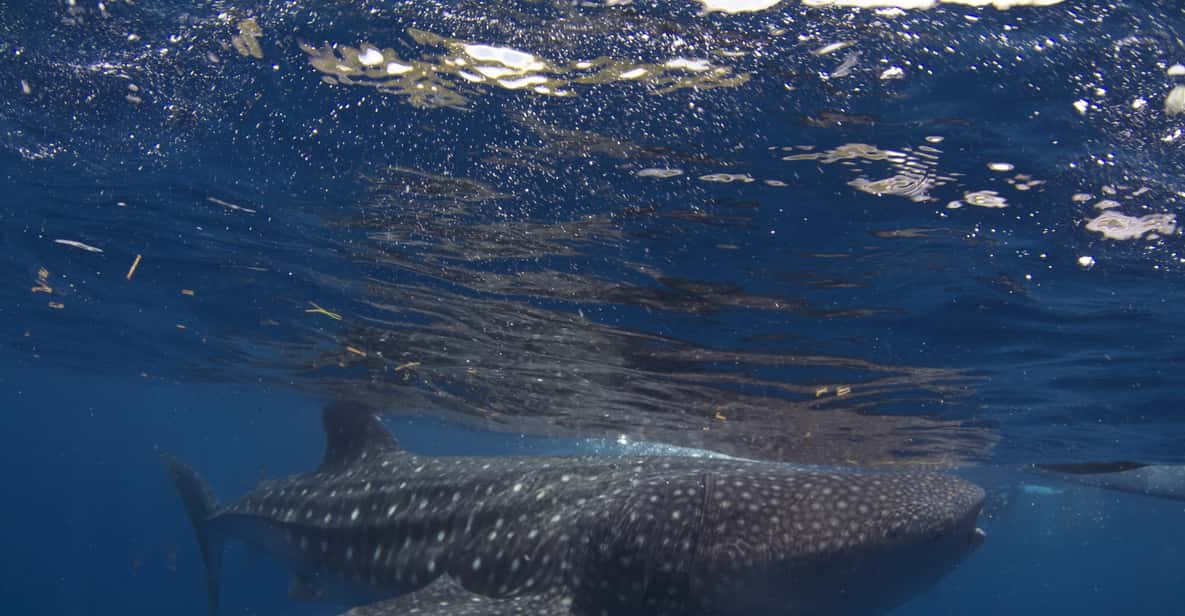
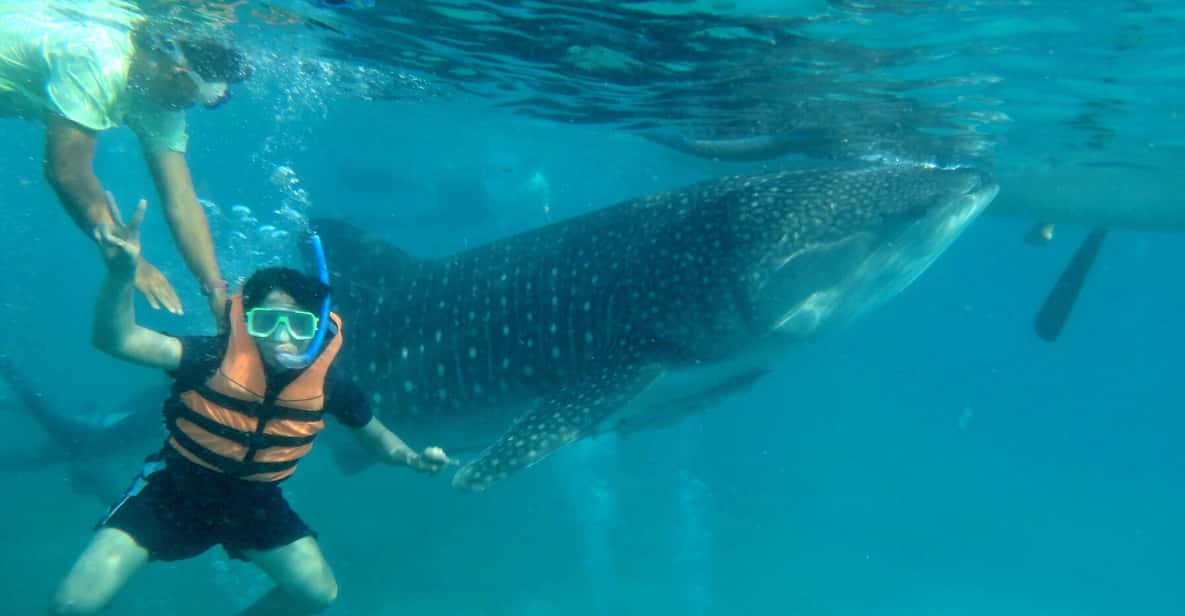
The Oslob whale shark interaction is managed by local authorities but built on daily feeding by boatmen, and the crowding is real: an average of 40 boats in the interaction area in a 2018 study, against what tourists consider acceptable, and waits of two to three hours in peak season.
Regular visitors carry more boat and propeller scars than occasional ones.
Cebu: Oslob Whale Sharks, Waterfalls & Moalboal Sardines strings the three together in one dawn-to-dusk day: whale sharks at Oslob first, Tumalog Falls, then the sardines and turtles at Panagsama, with fees, gear and meals included and an estimated 4:00 to 6 pm return.
Book it if you want all of southern Cebu in one day and accept the very early start.
When to go to Moalboal for the sardine run
The shoal is there all year; the calendar decides crowds and sea state. June through September is the quiet stretch, and the sea stays calm through those months, which is the reason to consider the rainy season. July to September average about 11 to 12 dry days a month; October drops to fewer than six.
January: 5 out of 5 for how busy it gets.
Tap a month to read it.
Two weather windows deserve respect. July to October is the country's peak typhoon season, raising the risk of disrupted travel and suspended water activities, and for direct hits on Central Visayas the riskiest months are November and December. Unsafe weather can suspend a water activity, and sightings are never guaranteed regardless of the month.
One detail works in the shore swimmer's favor: when unstable weather has suspended Pescador Island boat trips, the sardine-run snorkeling from Panagsama Beach has stayed open, since the shoal sits a short swim from shore.
Water temperatures stay warm through the year, dipping to their annual low around February and peaking between June and October, so no month needs a wetsuit. Pick a date, keep one spare morning in the plan, and the sardines will be waiting.
Day tour or independent trip - which way to do Moalboal from Cebu City
Weigh the two paths one last time. The tour buys certainty: hotel pickup and drop-off, the drive out before the rush, the sardine and turtle swim, gear and fees handled, and a guaranteed seat back to the city.
It costs a 2:00 to 3 am start on the shared option, and Oslob and Tumalog Falls come before Moalboal, so the day carries southern Cebu's whole story.
Going independently rewards an early riser with control. The bus is cheap and frequent, a private car or van goes door to door in about three hours, and you set your own pace in the water.
What you take on yourself is the arithmetic of the return: the last reliable aircon coaches leave Moalboal between 4:00 and 6 pm, afternoon traffic can stretch the drive back to four or five hours, and the tricycle transfer from the highway sits at the end of every bus day.
If the day must go right the first time, with someone else holding the timetable, take the tour. If you travel light, wake early anyway and enjoy negotiating a tricycle fare, the island is easy to do on your own.